
Minerals Council of Australia
array(24) { ["ID"]=> int(59) ["id"]=> int(59) ["title"]=> string(13) "mini-mca-logo" ["filename"]=> string(17) "mini-mca-logo.svg" ["filesize"]=> int(11663) ["url"]=> string(68) "https://minerals.org.au/wp-content/uploads/2022/11/mini-mca-logo.svg" ["link"]=> string(38) "https://minerals.org.au/mini-mca-logo/" ["alt"]=> string(0) "" ["author"]=> string(1) "1" ["description"]=> string(0) "" ["caption"]=> string(0) "" ["name"]=> string(13) "mini-mca-logo" ["status"]=> string(7) "inherit" ["uploaded_to"]=> int(0) ["date"]=> string(19) "2022-11-22 08:27:20" ["modified"]=> string(19) "2022-11-22 08:27:20" ["menu_order"]=> int(0) ["mime_type"]=> string(13) "image/svg+xml" ["type"]=> string(5) "image" ["subtype"]=> string(7) "svg+xml" ["icon"]=> string(60) "https://minerals.org.au/wp-includes/images/media/default.png" ["width"]=> int(92) ["height"]=> int(64) ["sizes"]=> array(27) { ["thumbnail"]=> string(68) "https://minerals.org.au/wp-content/uploads/2022/11/mini-mca-logo.svg" ["thumbnail-width"]=> int(150) ["thumbnail-height"]=> int(104) ["medium"]=> string(68) "https://minerals.org.au/wp-content/uploads/2022/11/mini-mca-logo.svg" ["medium-width"]=> int(300) ["medium-height"]=> int(208) ["medium_large"]=> string(68) "https://minerals.org.au/wp-content/uploads/2022/11/mini-mca-logo.svg" ["medium_large-width"]=> int(640) ["medium_large-height"]=> int(444) ["large"]=> string(68) "https://minerals.org.au/wp-content/uploads/2022/11/mini-mca-logo.svg" ["large-width"]=> int(640) ["large-height"]=> int(444) ["1536x1536"]=> string(68) "https://minerals.org.au/wp-content/uploads/2022/11/mini-mca-logo.svg" ["1536x1536-width"]=> int(92) ["1536x1536-height"]=> int(64) ["2048x2048"]=> string(68) "https://minerals.org.au/wp-content/uploads/2022/11/mini-mca-logo.svg" ["2048x2048-width"]=> int(92) ["2048x2048-height"]=> int(64) ["gform-image-choice-sm"]=> string(68) "https://minerals.org.au/wp-content/uploads/2022/11/mini-mca-logo.svg" ["gform-image-choice-sm-width"]=> int(92) ["gform-image-choice-sm-height"]=> int(64) ["gform-image-choice-md"]=> string(68) "https://minerals.org.au/wp-content/uploads/2022/11/mini-mca-logo.svg" ["gform-image-choice-md-width"]=> int(92) ["gform-image-choice-md-height"]=> int(64) ["gform-image-choice-lg"]=> string(68) "https://minerals.org.au/wp-content/uploads/2022/11/mini-mca-logo.svg" ["gform-image-choice-lg-width"]=> int(92) ["gform-image-choice-lg-height"]=> int(64) } }
  • About
    • About the MCA
    • MCA VIC
      • MCA VIC
      • Melbourne Mining Club
      • Members Operating in VIC
      • Victorian Mine Rescue Competition
      • Victorian Women in Resources Awards
    • MCA NT
      • MCA NT
      • Members operating in NT
      • Darwin Mining Club
      • NT Mining Cadets
    • Events
  • Mining Facts
    • Mining Facts
      • Mining Facts
      • Coal
      • Copper
      • Critical Minerals
      • Gold
      • Iron Ore
      • Uranium
  • Membership
    • Membership
    • MCA Members
    • Join
  • Policy & Advocacy
    • Policies
    • Economic policy
    • Energy and climate change
      • Energy and climate change
      • Mining towards net zero
    • Safety and health
      • Safety and health
      • Respectful Workplaces
      • Fatality Prevention
    • Sustainability
      • Sustainability
      • Communities
      • Enduring Value Framework
      • Indigenous partnerships
      • Land Use and Water Stewardship
      • Towards Sustainable Mining
    • Trade and Investment
    • Workforce, innovation and skills
      • Workforce, innovation and skills
      • Diversity and inclusion
      • Minerals Tertiary Education Council
      • Women in Resources Awards
    • Workplace relations
  • Latest News
  • Careers
    • Careers
    • Minerals Industry Experience Program
  • Campaigns
  • Search
  • Login
  • About
    • About the MCA
    • MCA VIC
      • MCA VIC
      • Melbourne Mining Club
      • Members Operating in VIC
      • Victorian Mine Rescue Competition
      • Victorian Women in Resources Awards
    • MCA NT
      • MCA NT
      • Members operating in NT
      • Darwin Mining Club
      • NT Mining Cadets
    • Events
  • Mining Facts
    • Mining Facts
      • Mining Facts
      • Coal
      • Copper
      • Critical Minerals
      • Gold
      • Iron Ore
      • Uranium
  • Membership
    • Membership
    • MCA Members
    • Join
  • Policy & Advocacy
    • Policies
    • Economic policy
    • Energy and climate change
      • Energy and climate change
      • Mining towards net zero
    • Safety and health
      • Safety and health
      • Respectful Workplaces
      • Fatality Prevention
    • Sustainability
      • Sustainability
      • Communities
      • Enduring Value Framework
      • Indigenous partnerships
      • Land Use and Water Stewardship
      • Towards Sustainable Mining
    • Trade and Investment
    • Workforce, innovation and skills
      • Workforce, innovation and skills
      • Diversity and inclusion
      • Minerals Tertiary Education Council
      • Women in Resources Awards
    • Workplace relations
  • Latest News
  • Careers
    • Careers
    • Minerals Industry Experience Program
  • Campaigns
  • Search
  • Login
Back to Policies

Indigenous partnerships

Aboriginal and Torres Strait Islander people are integral to the future of Australian mining, as Traditional Owners and native title holders, employees and leaders, businesses and investors, agreement partners and increasingly equity partners in the opportunities created through mineral development.

MCA supports the policy, institutional and industry environment  that enable these relationships and opportunities to thrive.

The MCA Policy Statement on Aboriginal and Torres Strait Islander Partnerships sets out the industry’s commitment and provides the foundation for this work.

MCA’s current policy work is focused on three areas.

  • Cultural heritage by supporting practical and effective cultural heritage protection that recognises cultural authority, enables early engagement and provides workable regulatory frameworks for Traditional Owners, industry and governments
  • Native title by supporting reforms that strengthen Traditional Owner capability, improve agreement-making and ensure native title processes are practical, proportionate and capable of supporting long-term investment and economic participation
  • Economic coexistence by working with governments, across industries and with Traditional Owners to create stronger pathways for Aboriginal and Torres Strait Islander people to participate in leadership, enterprise, investment and, increasingly, equity partnerships arising from mineral development.

Partnerships creating opportunity

MCA members directly employ approximately 6,000 Aboriginal and Torres Strait Islander people, while procurement from Aboriginal and Torres Strait Islander businesses by MCA members was close to $2 billion in 2024–25.

These outcomes demonstrate the scale of the economic relationship between Aboriginal and Torres Strait Islander people and Australian mining and provide a strong foundation for further economic participation.

Together, protecting culture, strengthening institutions and creating economic opportunity provide the foundations for enduring partnerships between Aboriginal and Torres Strait Islander people and Australian mining.

Related Resources

  • MCA Submission to the ALRC
  • MCA Aboriginal and Torres Strait Islander Statement
  • ESG: Change for the Better

Related Articles

  • 14 October 2026

    Federal Court decision reinforces need for confidence in cultural heritage protections

    Read more
  • 05 October 2026

    Protecting workers and reducing modern slavery risks should not increase compliance burden on mining supply chain businesses

    Read more
  • 24 June 2026

    Australian mining backs practical refinements to native title  

    Read more

What's New

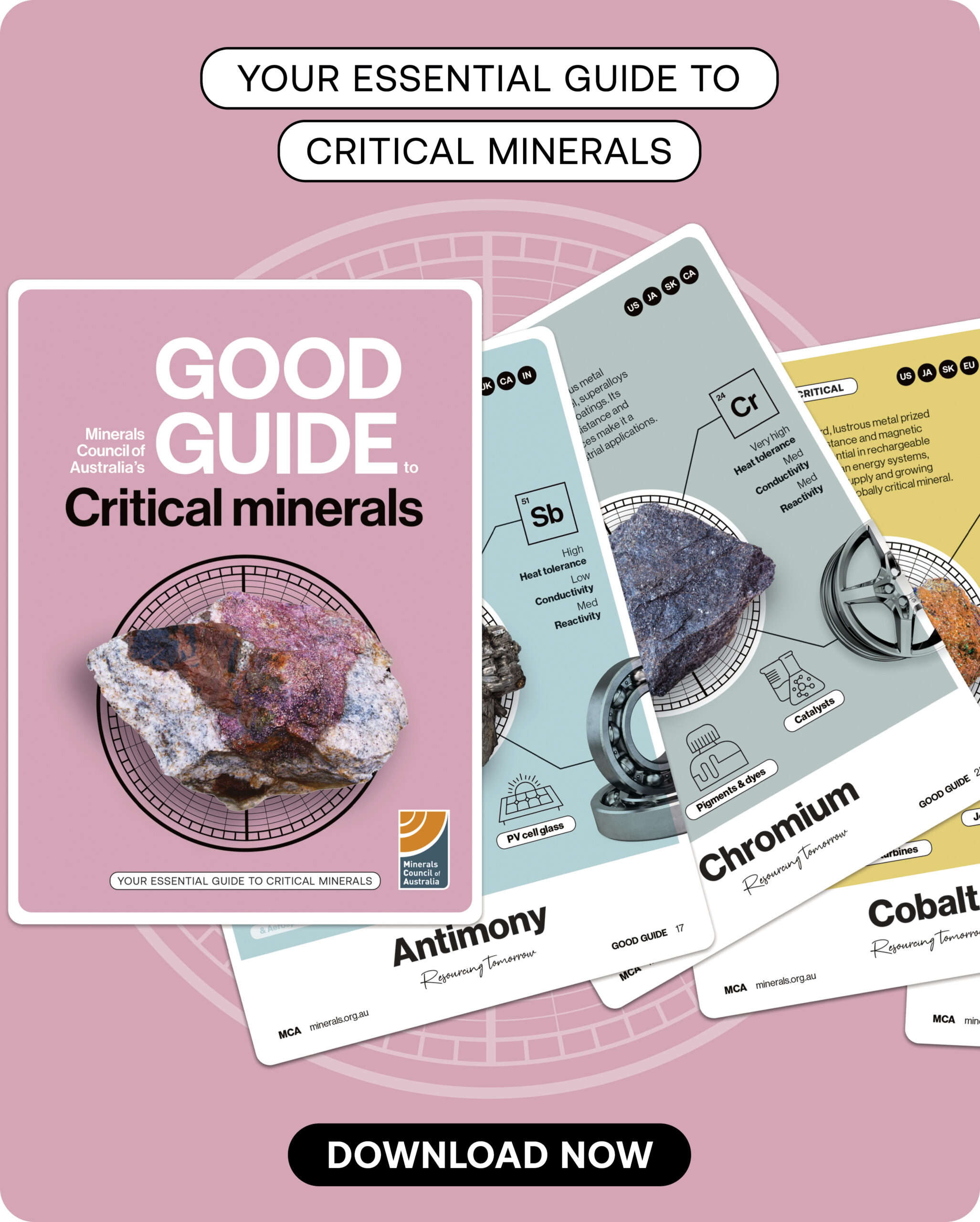
Good Guide to Critical Minerals

Read now

Other Policies

See all policies
Economic Policy

Australian mining is a nation builder and global leader. It is Australia’s largest exporter, company tax payer and investor in infrastructure.

Learn more
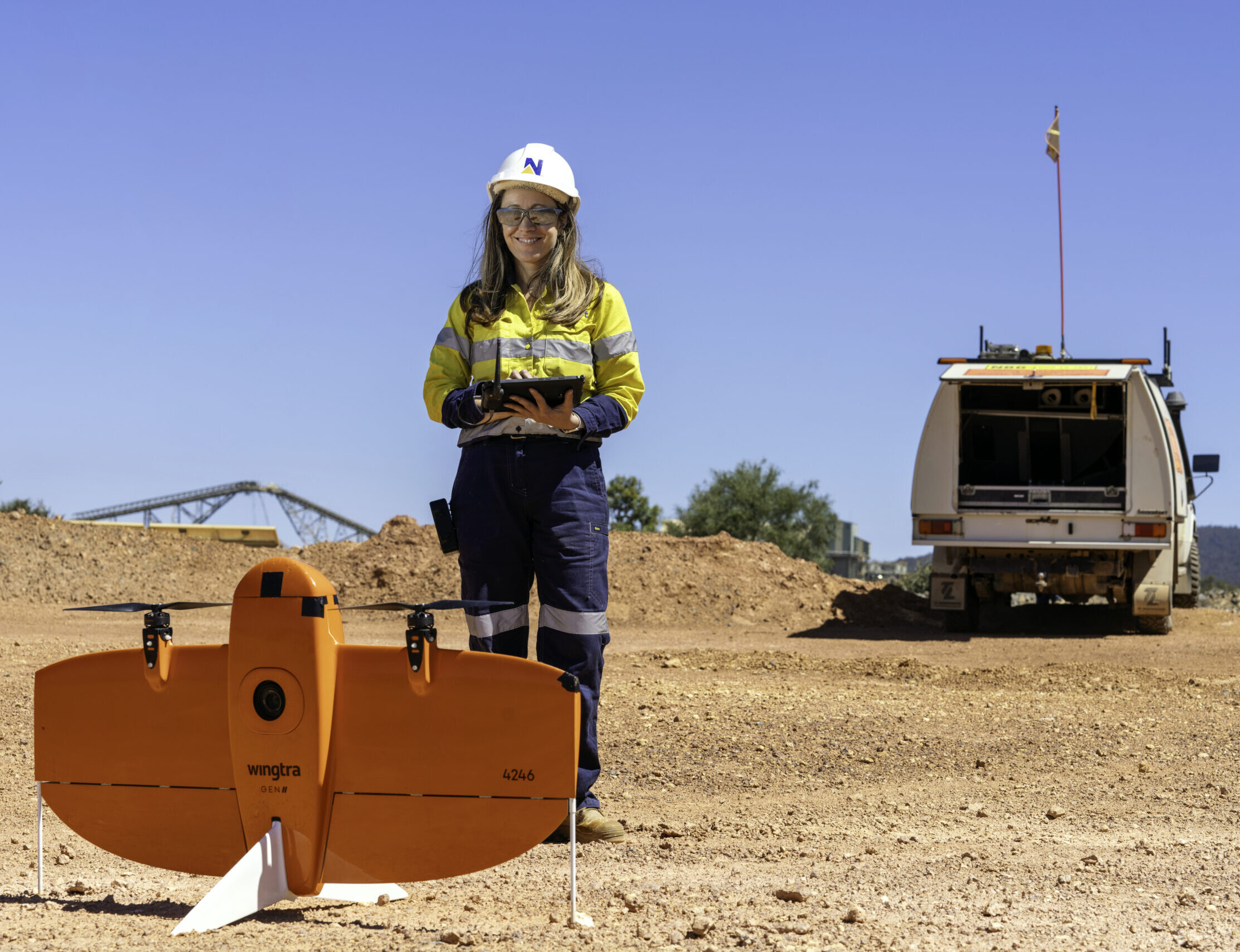
Workforce, innovation and skills

A highly skilled and technologically advanced future workforce will be required for the specialist mining occupations coming online.

Learn more
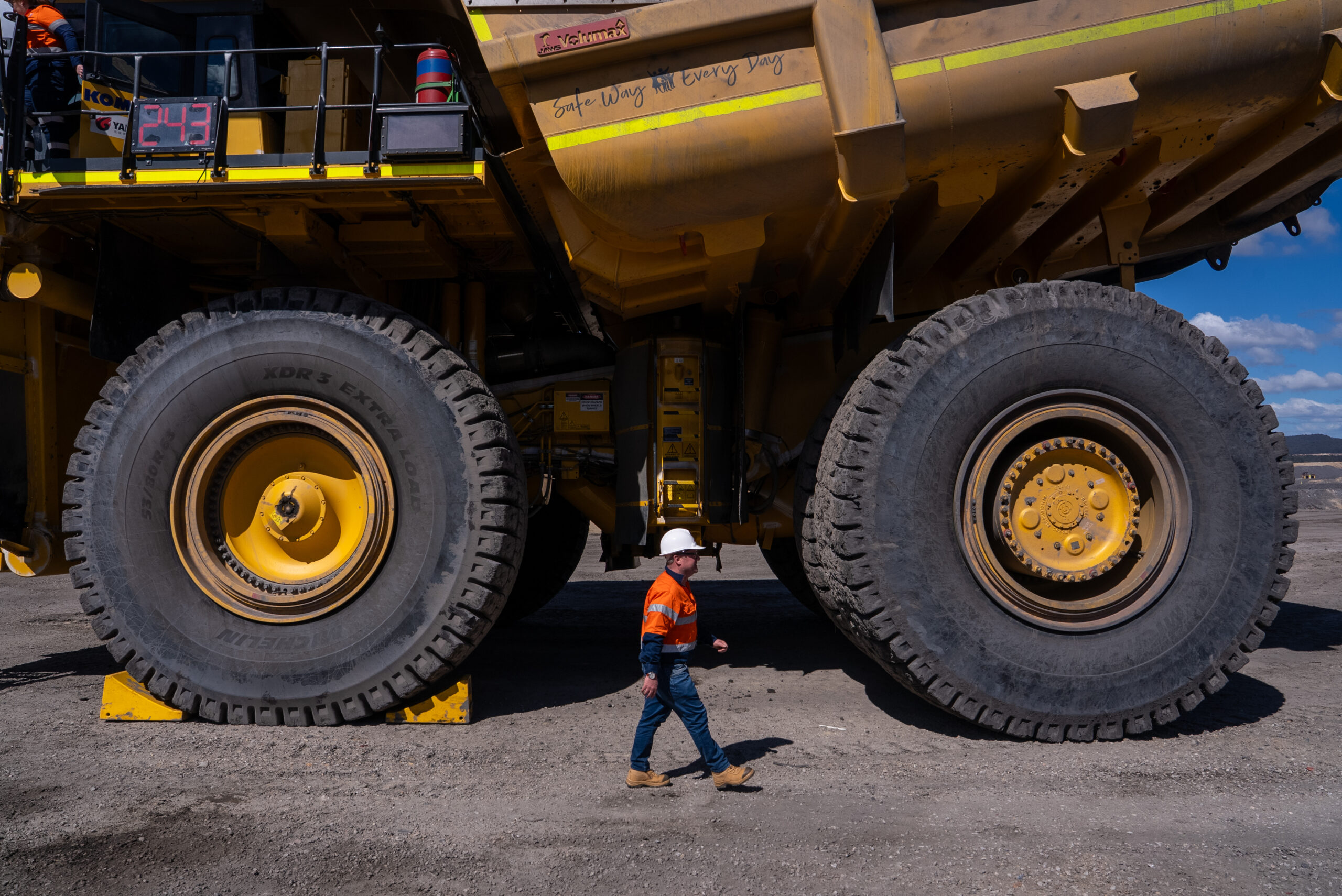
Trade and Investment

Trade, investment and economic co-operation maximise opportunities for Australia’s mining and minerals processing industry to boost national income, generate government revenue and create high value jobs.

Learn more
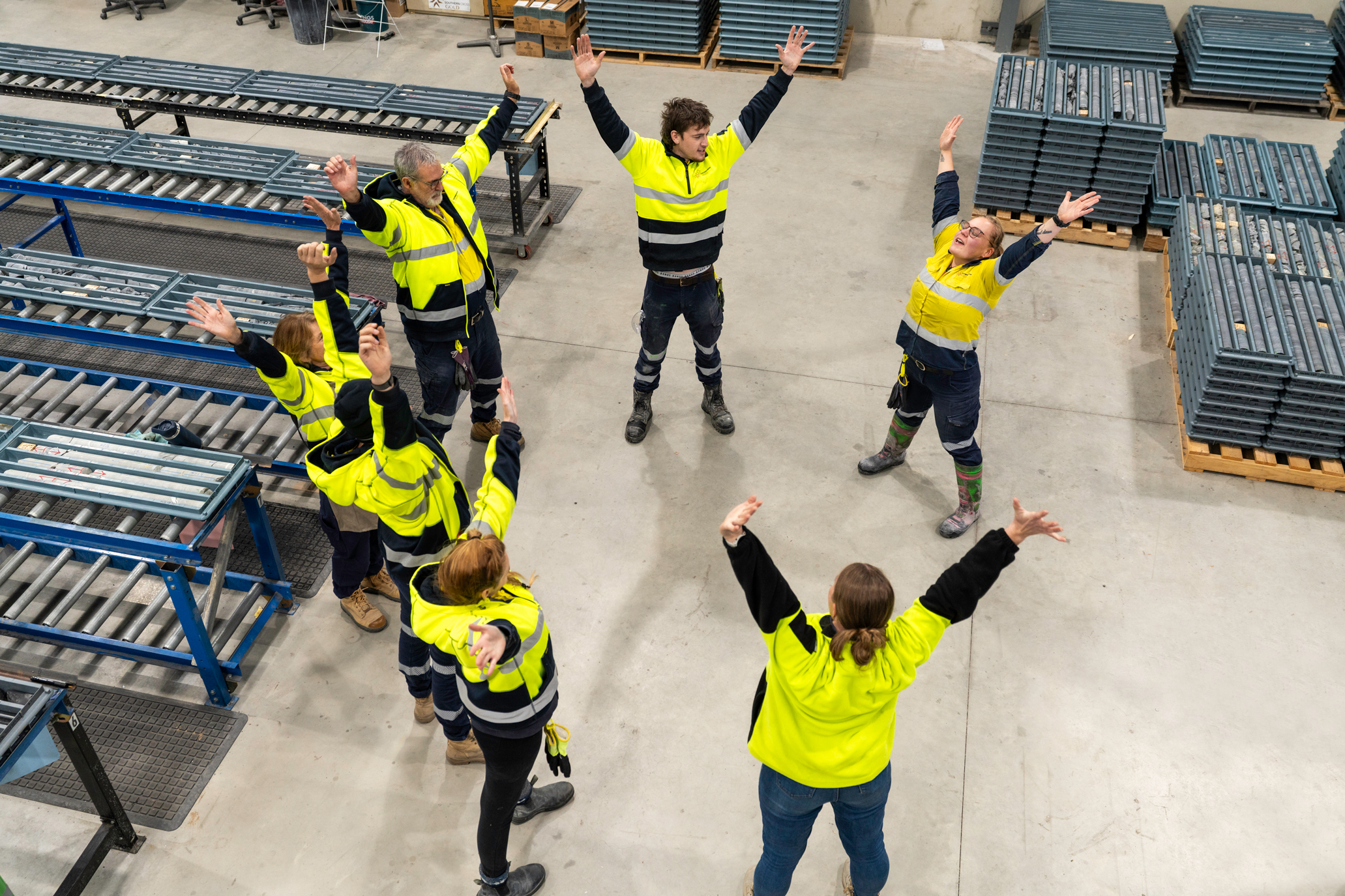
Safety and health

The safety, health and psychological wellbeing of the mining workforce is the industry’s number one value and commitment.

Learn more
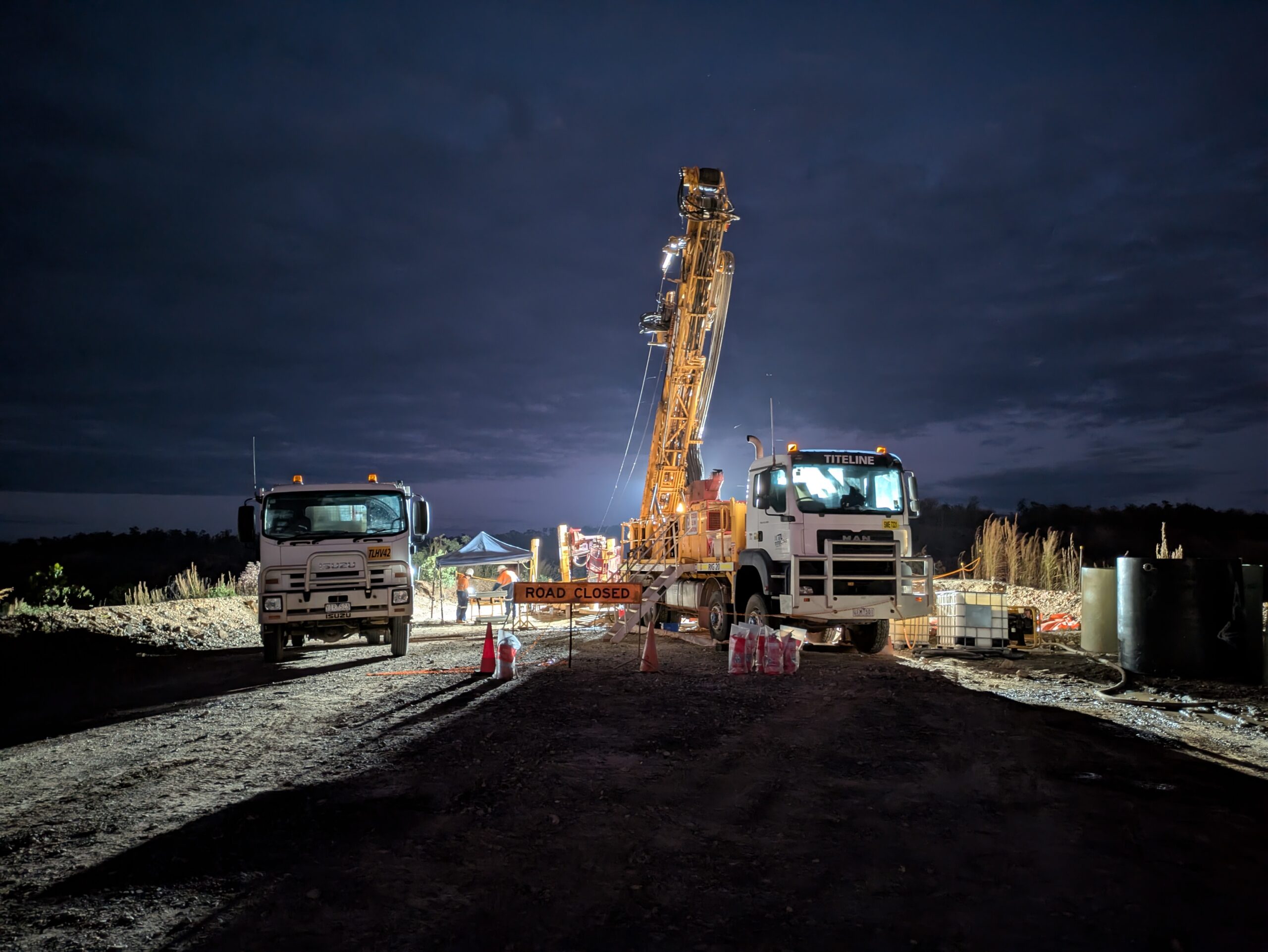
Energy and climate change

To achieve net zero emissions, Australia requires a stable policy framework enabling all low emissions technologies to participate in competitive decarbonisation of the economy.

Learn more
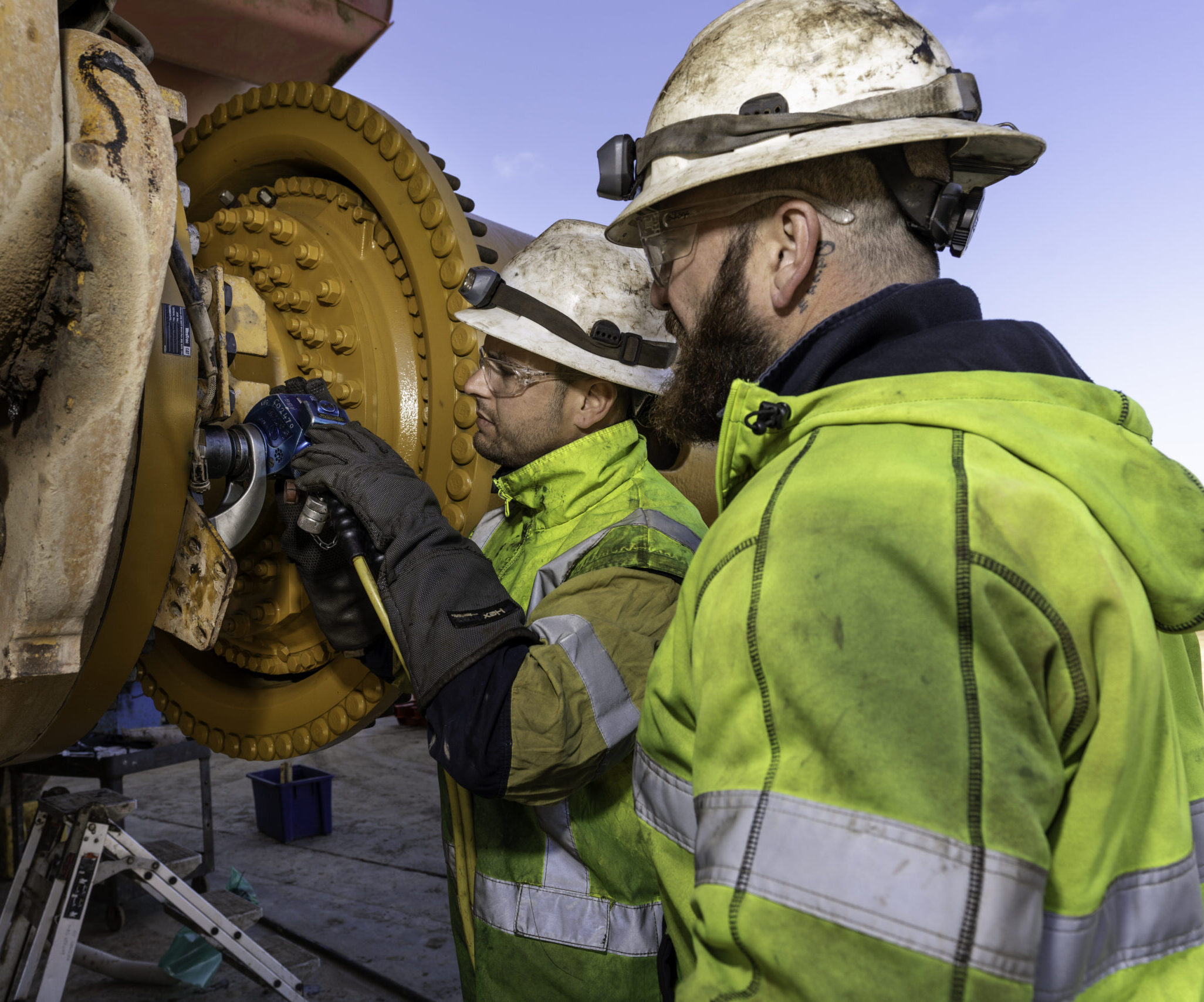
 Workplace relations

Australia needs a modern and adaptable workplace system that attracts investment, drives sustainable wage growth and contributes to national prosperity.

Learn more
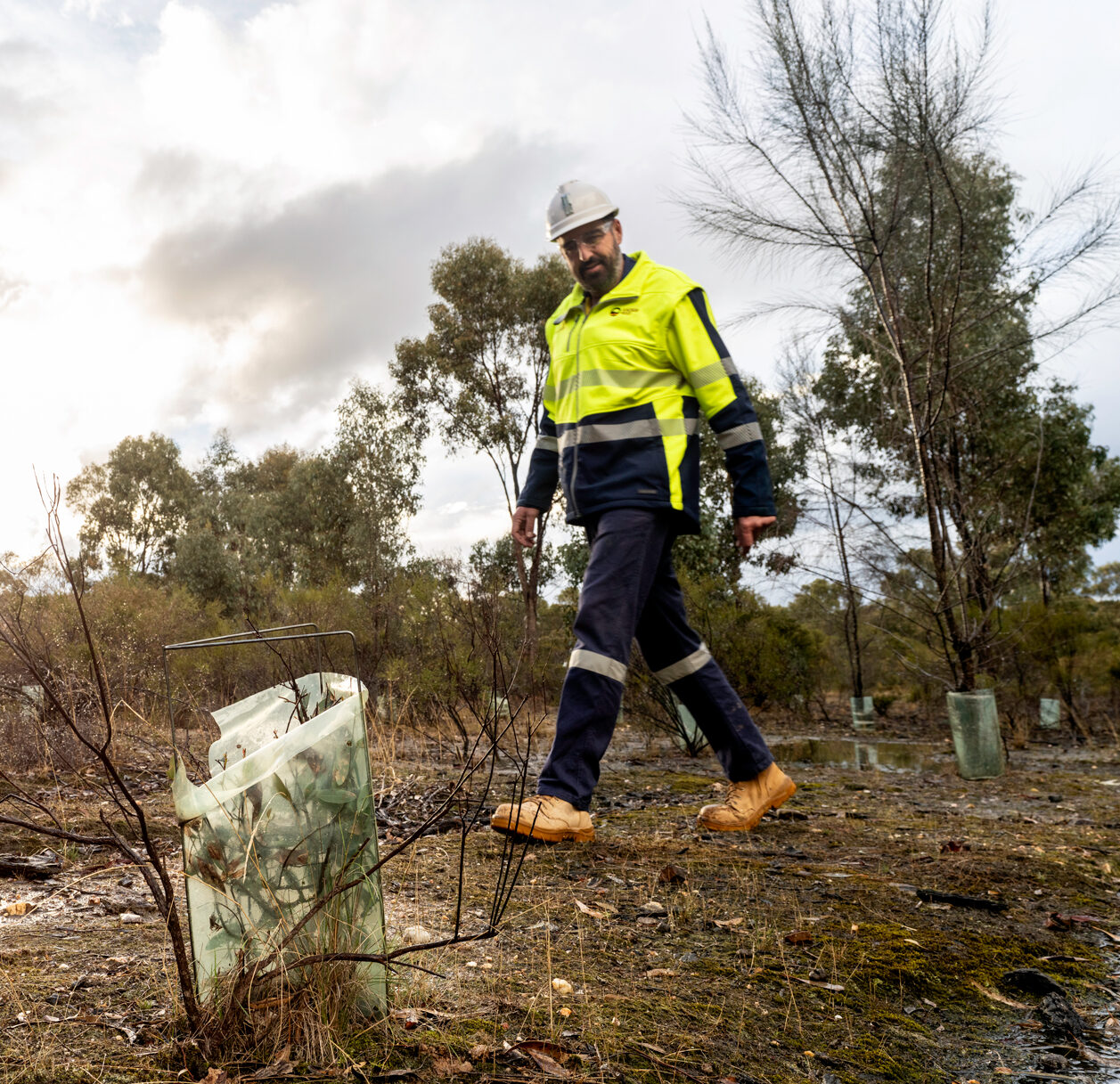
Sustainability

The Australian minerals industry is committed to responsible mining through continual improvement of environmental stewardship and social performance and by contributing to sustainable development.

Learn more

Sign up for updates

Sign up for news, policies, updates and new publications.

This field is for validation purposes and should be left unchanged.

  • MCA
    02 6233 0600 info@minerals.org.au
  • MCA NT
    08 8981 4486 info.nt@minerals.org.au
  • MCA Victoria
    03 8614 1851 info.vic@minerals.org.au
  • Media
    0439 300 335 simon.troeth@minerals.org.au
  • About
  • Our Members
  • Policy & Advocacy
  • Latest News
  • Careers
  • Contact us
Keep in touch

© 2026 Minerals Council of Australia

  • Privacy Policy
  • Terms of use
  • Sitemap